What Are Prominent Ears?
Prominent ears – sometimes called “bat ears” – are a relatively common source of concern. For children and adolescents prominent ears can lead to teasing or self-consciousness. Parents may choose to explore prominent ear correction (otoplasty) for their child because of:
-
-
-
-
-
-
-
-
-
-
-
-
-
-
-
-
-
- ears that stick out more than expected
- self-consciousness in photographs or hairstyles
- teasing and/or self-consciousness
- a child’s expressed desire for a more balanced appearance
-
-
-
-
-
-
-
-
-
-
-
-
-
-
-
-
Surgical Treatment
- Each patient’s surgery is tailored to address what makes the ears prominent in that individual – no two ears are exactly the same.
- The procedure is performed as a day-case under general anaesthetic for children and adolescents in the operating theatre at The Avenue Hospital on a Tuesday morning.
- Incisions are made behind the ears, allowing the cartilage to be reshaped. Internal stitches (in the cartilage) reposition the ear
- The scar is typically well-hidden behind the ear.
- After surgery, some discomfort is normal. Simple pain relief helps, and rest is encouraged.
- Swelling and bruising around the ears is most noticeable in the first 2 weeks after surgery.
- Swimming goggles should be avoided for six weeks post-op, as they can pull on the ears and disrupt healing.
At your child’s consultation
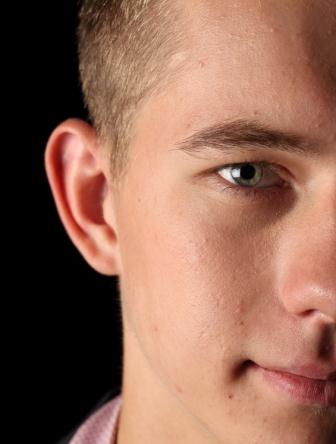
At your consultation Dr Jill Tomlinson will assess your child’s ears to determine what makes the ear look different from other ears, and therefore what needs to be addressed with surgery. The most common contributing factors are:
- a poorly developed antihelical fold in the upper third of the ear, which is treated with cartilage reshaping including Mustarde sutures, and
- a prominent conchal bowl, such that the concave middle third of the ear sticks out further from the head.
Non-Surgical Options
- Ear molding in infancy: In newborns, it’s sometimes possible to reshape the ear using splinting or headbands. However, its effectiveness is limited for older children. Our practice only offers ear molding treatment in the first months of life.
- Hide or accept: Other “options” are more lifestyle-based—hiding the ears (not always easy) or coming to peace with their shape.
Risks & Potential Complications
Otoplasty is generally safe, but as with all surgery there are risks. These include:
- Infection
- Under-correction (ear still sticks out)
- Over-correction (ear pinned too close)
- Scarring
- Asymmetry (ears may not be perfectly even)
- Haematoma (blood collecting under the skin): most likely in the first 24–48 hours. If this happens, it needs prompt attention to avoid disruption to the blood supply to the cartilage and consequential “cauliflower ear.”
- Stitch failure: Occasionally, sutures used to reshape cartilage may break or pull through the cartilage, which can cause loss of the reshaped position.
- Stitch prominence or protrusion
Recovery & Return to Activity
- Administer paracetamol and ibuprofen regularly until your child is comfortable without medication
- Plan to keep your child away from kindergarten or school for the first week, or have the surgery performed during school holidays
- A head bandage (young children) or otoplasty garment (older children) is worn continuously in the first week
- Wearing a head band or beanie over the ears after the first week assists with holding the ears in the desired position as the internal scar tissue forms and the cartilage firms in its new position.
- Avoid vigorous exercise for at least 2 weeks
- Light activity can often resume after 48 hours, but anything that increases blood flow to the ears should be avoided during the early healing phase.
Costs
The total cost of otoplasty may include:
- Surgeon’s fee
- Anaesthetist’s fee
- Hospital or day-surgery facility fee
- Otoplasty garment (if applicable)
- Post-operative follow-up appointments
This procedure is rebate-eligible under Medicare and private health insurance only for patients under 18. Dr Tomlinson’s team will review your child’s eligibility and discuss costs in detail following your consultation. Photographs of your child’s ear are taken and placed in the medical file to document Medicare eligibility.
For private insurance, speak with your provider about your hospital excess and what rebates you are eligible for – Advise that the Medicare item number is 45659.
What Next?
If you’d like to explore whether otoplasty is right for your child, please contact us to arrange a face to face consultation. A doctor’s referral is required.
Disclaimer:
All surgical procedures carry risk. The information on this page is for general guidance only and does not substitute a one-on-one consultation. You should consider obtaining a second opinion from another qualified specialist before moving ahead.
Please note:
Dr Jill Tomlinson offers otoplasty (ear-pinning) only for patients under 18. Under the Medicare Benefits Schedule (MBS), this procedure is rebate-eligible only for minors. Since July 2023, Dr Tomlinson no longer provides cosmetic otoplasty for adults and does not hold cosmetic medical indemnity insurance for non-MBS procedures. She does not accept referrals for adult otoplasty.